language
language
English
العربية
বাংলাদেশ
Български
Hrvatski
Česky
Dansk
Nederland
 Esperanto
Slovenski
Filipino
Suomi
Français
Maori
 Shqiptare
Georgian
 Euskara
Deutsch
Ελλάδα
ישראל
इंडिया
Magyarország
Ísland
Indonesia
Irlanda
Italia
日本語
Sovensko
Հայաստան
한국
Kyrgyz
ປະເທດລາວ
 Zulu
Zulu
Latvian
Lithuanian
Luxembourgish
 Latinus
Macedonian
Малайская
Maltese
Монгол улс
 Cymraeg
ဗမာ
 தமிழ்
தமிழ்
नेपाल
Norge
ایران
Polska
Portugal
România
Российская
Србија
 Slovak
Србија
 Slovak
Bosanski
Slovenian
Беларус
España
Sverige
Точик
ประเทศไทย
Türk
Azərbaycan
Uzbek
 Afrikaans
Việt Nam





A Comprehensive Guide to Wholesale Steel Fiber for Shotcrete
Discover everything you need to know about wholesale steel fiber for shotcrete in this comprehensive guide. From the benefits and applications to the different types and factors to consider, we'll pro
Table of Contents:
1. Introduction to Steel Fiber for Shotcrete
2. Benefits of Using Wholesale Steel Fiber for Shotcrete
3. Applications of Wholesale Steel Fiber for Shotcrete
4. Types of Steel Fiber for Shotcrete
4.1 Hooked End Steel Fiber
4.2 Straight Steel Fiber
4.3 Deformed Steel Fiber
4.4 Blended Steel Fiber
5. Factors to Consider When Choosing Wholesale Steel Fiber for Shotcrete
5.1 Project Requirements
5.2 Fiber Geometry
5.3 Tensile Strength
5.4 Aspect Ratio
5.5 Corrosion Resistance
5.6 Dosage Rate
6. How to Source Wholesale Steel Fiber for Shotcrete
7. Frequently Asked Questions (FAQs)
7.1 What is shotcrete?
7.2 How does steel fiber improve shotcrete?
7.3 Can steel fiber replace traditional reinforcement methods?
7.4 What are the advantages of using wholesale steel fiber?
7.5 How do I calculate the dosage rate of steel fiber for my project?
8. Conclusion
Shotcrete is a versatile construction technique that involves spraying a mixture of cement, aggregates, and water onto a surface using high-velocity air. It offers numerous advantages over traditional concrete placement methods, such as reduced construction time, improved durability, and enhanced structural performance. Steel fiber is commonly added to shotcrete mixes to further enhance its strength and performance.
Adding steel fiber to shotcrete brings a wide range of benefits. Firstly, it significantly improves the tensile strength and toughness of the material, making it more resistant to cracking and spalling. This is particularly important in applications where high impact or seismic forces are expected. Secondly, steel fiber reinforcement enhances the ductility of shotcrete, allowing it to deform and absorb energy without catastrophic failure. Additionally, steel fiber can help control shrinkage and minimize the formation of plastic cracks.
Wholesale steel fiber for shotcrete finds extensive use in various construction applications. It is commonly employed in tunnel linings, retaining walls, slope stabilization, underground mining, and rehabilitation projects. The added strength and durability provided by steel fiber make shotcrete an ideal choice for demanding applications where structural integrity is crucial.
There are several types of steel fiber available for shotcrete applications. Understanding the differences between them is essential to choose the most suitable option for your project.
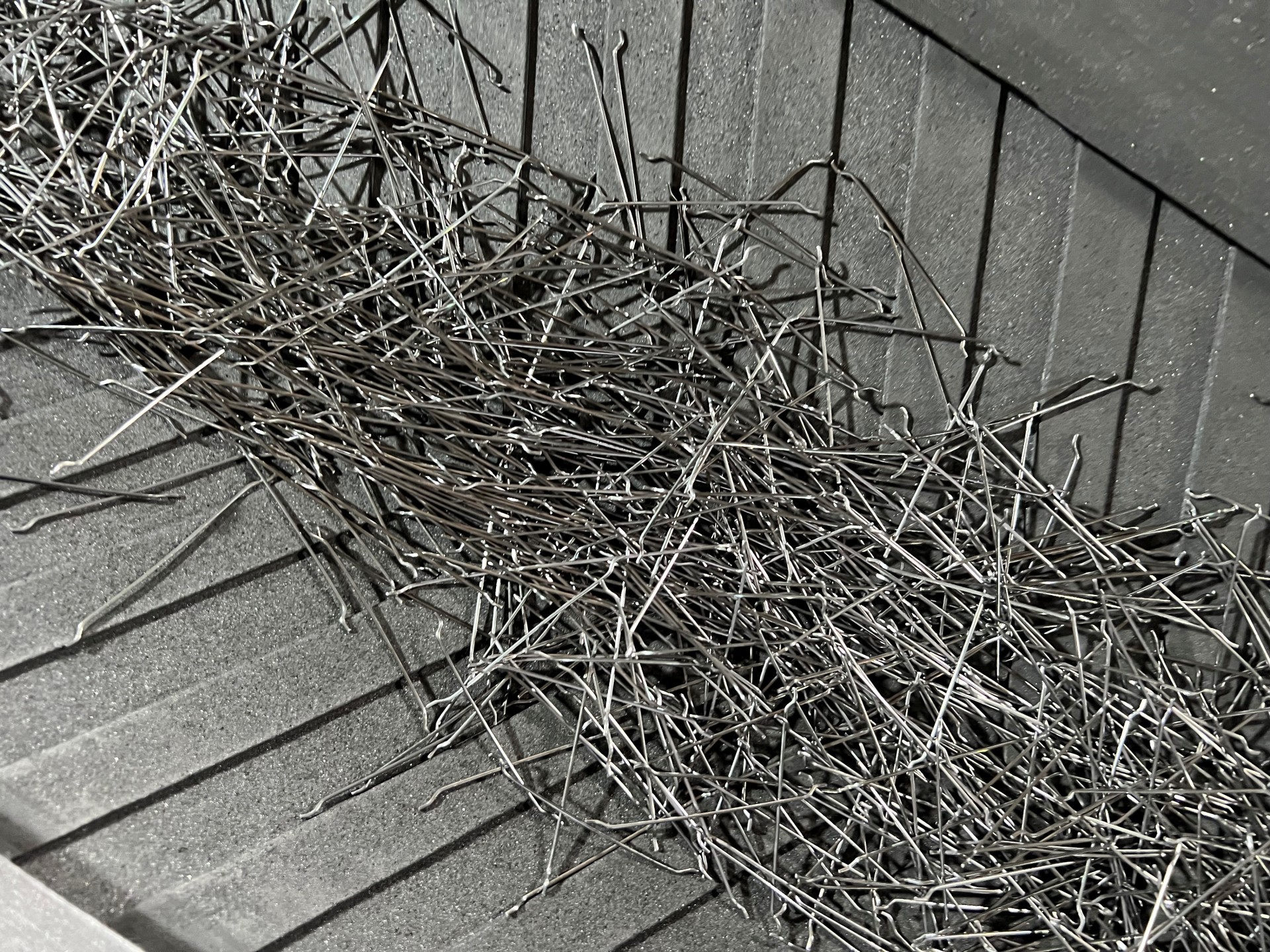
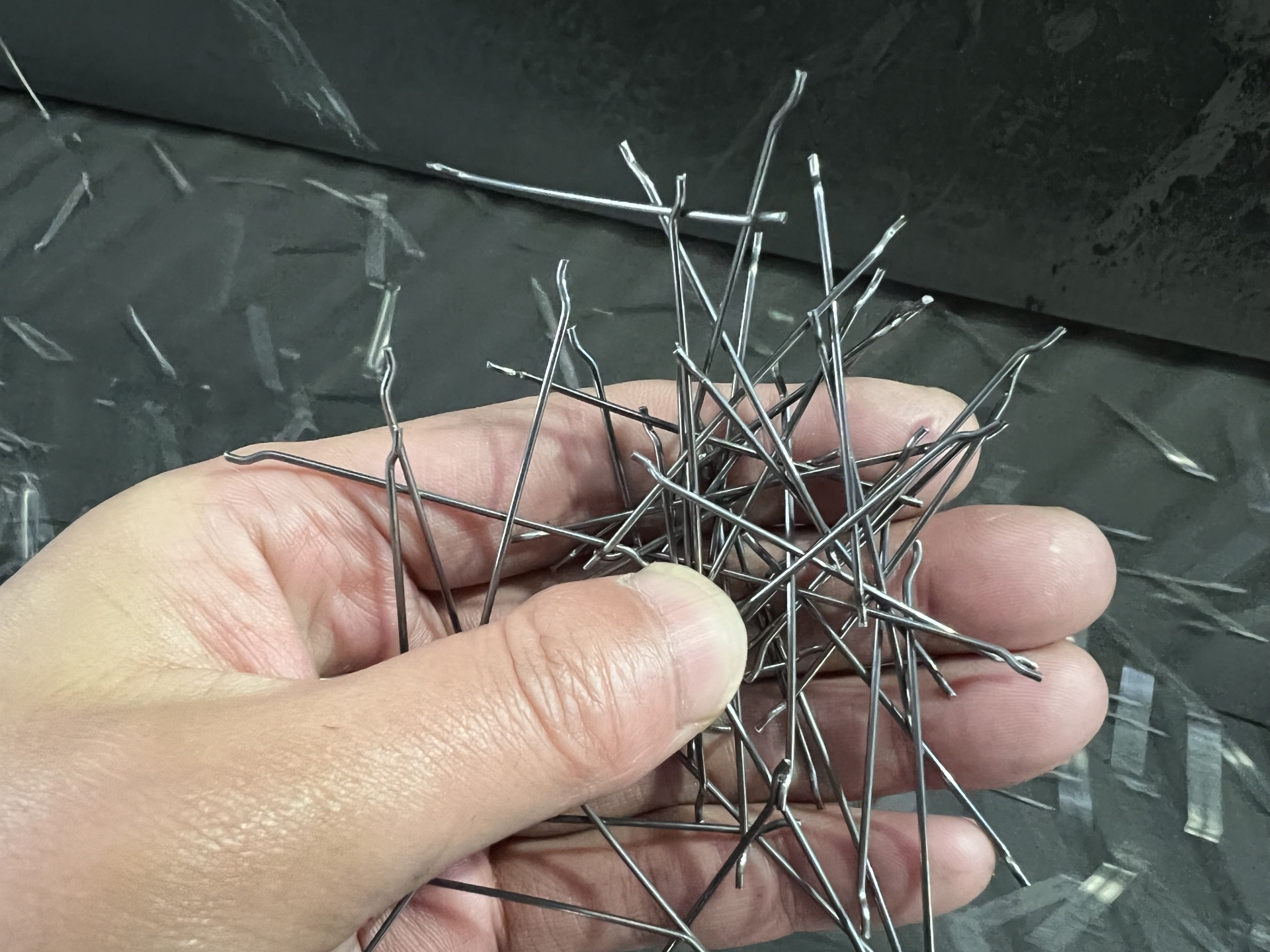
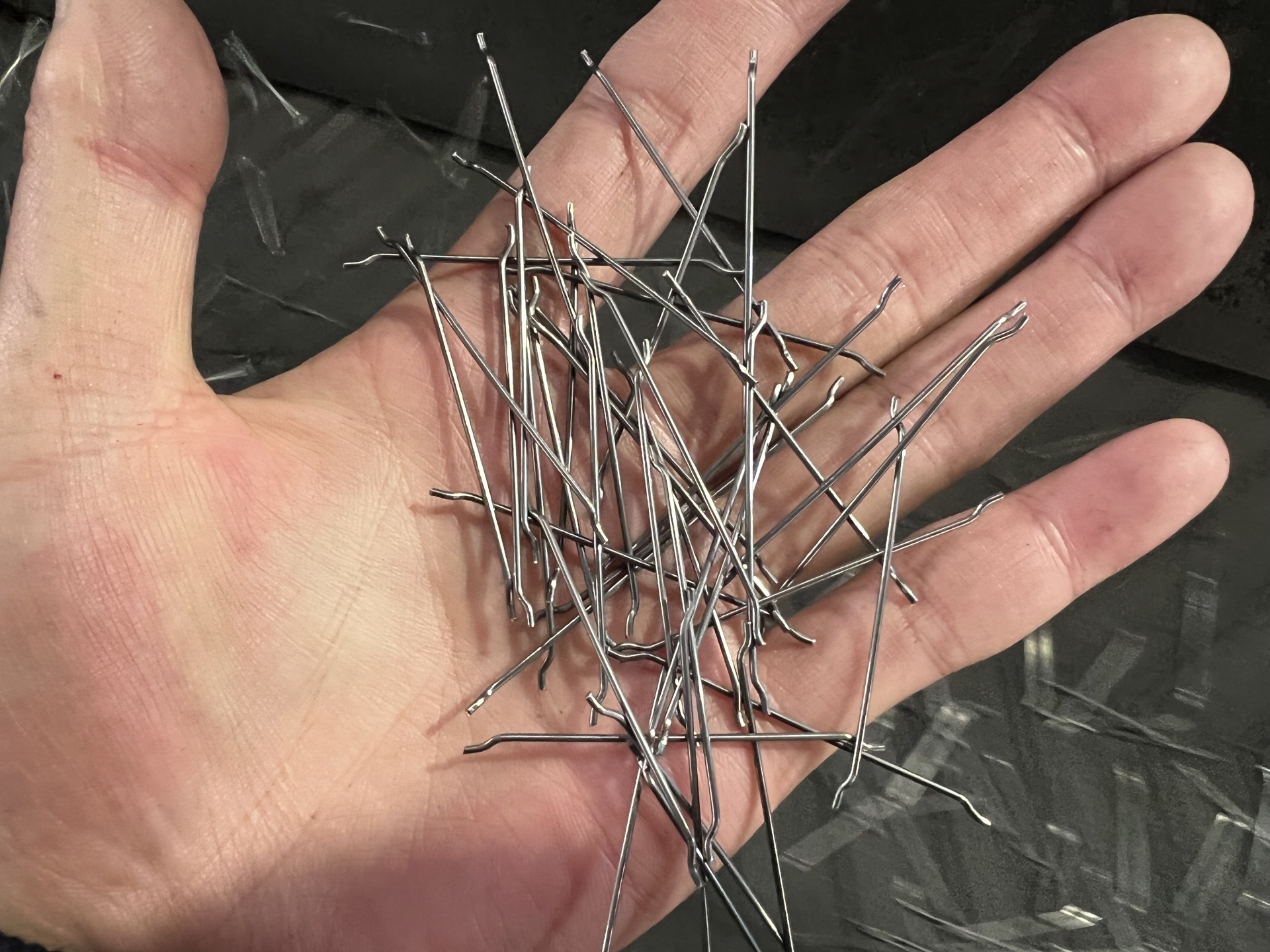
Hooked end steel fiber features small hooks at both ends, which facilitate anchorage within the shotcrete mix. This type of steel fiber provides excellent bond strength, making it ideal for applications requiring maximum reinforcement.
Straight steel fiber is the most basic form of steel fiber. It doesn't feature any additional modifications or hooks. Straight steel fiber provides good reinforcement but may not offer the same level of bond strength as hooked end steel fiber.
Deformed steel fiber is characterized by its irregular shape, which increases the interlocking capability within the shotcrete matrix. This type of steel fiber is commonly used in applications where enhanced tensile strength and crack resistance are crucial.
Blended steel fiber consists of a combination of different types of steel fibers. This blend is designed to provide a balanced reinforcement solution, combining the strengths of each fiber type.
When selecting wholesale steel fiber for shotcrete, several factors should be taken into account to ensure optimal performance.
Understanding the specific needs and requirements of your project is crucial in determining the appropriate steel fiber type, dosage rate, and other parameters.
The geometry of the steel fiber, such as length, diameter, and shape, directly impacts its performance. It is essential to choose a fiber geometry that suits your project's needs.
Different steel fiber types offer varying levels of tensile strength. Consider the expected loading conditions and choose a steel fiber with sufficient strength to meet the project requirements.
The aspect ratio of steel fiber refers to the ratio of its length to diameter. Higher aspect ratios typically provide better reinforcement performance.
In corrosive environments, selecting steel fiber with high corrosion resistance is crucial to ensure long-term durability.
Determining the appropriate dosage rate of steel fiber is essential to achieve the desired reinforcement effect. It depends on factors such as the shotcrete mix design and the level of reinforcement required.
Sourcing wholesale steel fiber for shotcrete can be done through various channels. It is essential to work with reputable suppliers who specialize in construction materials and have a track record of delivering high-quality products. Conduct thorough research, compare prices, and consider factors such as product certifications and customer reviews before making a final decision.
Shotcrete is a construction technique that involves spraying a mixture of cement, aggregates, and water onto surfaces using high-velocity air. It offers efficient and versatile concrete placement, especially in challenging or inaccessible areas.
Steel fiber improves shotcrete by providing additional reinforcement and enhancing its strength, toughness, and ductility. It helps control cracking, increase impact resistance, and improve overall performance.
While steel fiber can enhance the performance of shotcrete, it is not intended to replace traditional reinforcement methods entirely. It is often used as a complementary reinforcement system or in applications where traditional reinforcement is challenging to install.
Using wholesale steel fiber offers several advantages, including improved tensile strength, crack resistance, durability, and reduced maintenance requirements. It enhances the overall performance and lifespan of shotcrete structures.
Calculating the dosage rate of steel fiber involves considering factors such as the desired reinforcement effect, shotcrete mix design, and project requirements. Consult with a qualified engineer or shotcrete specialist to determine the optimal dosage rate for your specific project.
In conclusion, wholesale steel fiber for shotcrete is a valuable addition to construction projects, providing enhanced strength, durability, and performance. By understanding the benefits, applications, types, and factors to consider, you can make informed decisions when sourcing and utilizing steel fiber for shotcrete. Remember to choose reputable suppliers and consult with experts to ensure the best results for your project.
1. Introduction to Steel Fiber for Shotcrete
2. Benefits of Using Wholesale Steel Fiber for Shotcrete
3. Applications of Wholesale Steel Fiber for Shotcrete
4. Types of Steel Fiber for Shotcrete
4.1 Hooked End Steel Fiber
4.2 Straight Steel Fiber
4.3 Deformed Steel Fiber
4.4 Blended Steel Fiber
5. Factors to Consider When Choosing Wholesale Steel Fiber for Shotcrete
5.1 Project Requirements
5.2 Fiber Geometry
5.3 Tensile Strength
5.4 Aspect Ratio
5.5 Corrosion Resistance
5.6 Dosage Rate
6. How to Source Wholesale Steel Fiber for Shotcrete
7. Frequently Asked Questions (FAQs)
7.1 What is shotcrete?
7.2 How does steel fiber improve shotcrete?
7.3 Can steel fiber replace traditional reinforcement methods?
7.4 What are the advantages of using wholesale steel fiber?
7.5 How do I calculate the dosage rate of steel fiber for my project?
8. Conclusion
1. Introduction to Steel Fiber for Shotcrete
Shotcrete is a versatile construction technique that involves spraying a mixture of cement, aggregates, and water onto a surface using high-velocity air. It offers numerous advantages over traditional concrete placement methods, such as reduced construction time, improved durability, and enhanced structural performance. Steel fiber is commonly added to shotcrete mixes to further enhance its strength and performance.
2. Benefits of Using Wholesale Steel Fiber for Shotcrete
Adding steel fiber to shotcrete brings a wide range of benefits. Firstly, it significantly improves the tensile strength and toughness of the material, making it more resistant to cracking and spalling. This is particularly important in applications where high impact or seismic forces are expected. Secondly, steel fiber reinforcement enhances the ductility of shotcrete, allowing it to deform and absorb energy without catastrophic failure. Additionally, steel fiber can help control shrinkage and minimize the formation of plastic cracks.
3. Applications of Wholesale Steel Fiber for Shotcrete
Wholesale steel fiber for shotcrete finds extensive use in various construction applications. It is commonly employed in tunnel linings, retaining walls, slope stabilization, underground mining, and rehabilitation projects. The added strength and durability provided by steel fiber make shotcrete an ideal choice for demanding applications where structural integrity is crucial.
4. Types of Steel Fiber for Shotcrete
There are several types of steel fiber available for shotcrete applications. Understanding the differences between them is essential to choose the most suitable option for your project.
4.1 Hooked End Steel Fiber
Hooked end steel fiber features small hooks at both ends, which facilitate anchorage within the shotcrete mix. This type of steel fiber provides excellent bond strength, making it ideal for applications requiring maximum reinforcement.
4.2 Straight Steel Fiber
Straight steel fiber is the most basic form of steel fiber. It doesn't feature any additional modifications or hooks. Straight steel fiber provides good reinforcement but may not offer the same level of bond strength as hooked end steel fiber.
4.3 Deformed Steel Fiber
Deformed steel fiber is characterized by its irregular shape, which increases the interlocking capability within the shotcrete matrix. This type of steel fiber is commonly used in applications where enhanced tensile strength and crack resistance are crucial.
4.4 Blended Steel Fiber
Blended steel fiber consists of a combination of different types of steel fibers. This blend is designed to provide a balanced reinforcement solution, combining the strengths of each fiber type.
5. Factors to Consider When Choosing Wholesale Steel Fiber for Shotcrete
When selecting wholesale steel fiber for shotcrete, several factors should be taken into account to ensure optimal performance.
5.1 Project Requirements
Understanding the specific needs and requirements of your project is crucial in determining the appropriate steel fiber type, dosage rate, and other parameters.
5.2 Fiber Geometry
The geometry of the steel fiber, such as length, diameter, and shape, directly impacts its performance. It is essential to choose a fiber geometry that suits your project's needs.
5.3 Tensile Strength
Different steel fiber types offer varying levels of tensile strength. Consider the expected loading conditions and choose a steel fiber with sufficient strength to meet the project requirements.
5.4 Aspect Ratio
The aspect ratio of steel fiber refers to the ratio of its length to diameter. Higher aspect ratios typically provide better reinforcement performance.
5.5 Corrosion Resistance
In corrosive environments, selecting steel fiber with high corrosion resistance is crucial to ensure long-term durability.
5.6 Dosage Rate
Determining the appropriate dosage rate of steel fiber is essential to achieve the desired reinforcement effect. It depends on factors such as the shotcrete mix design and the level of reinforcement required.
6. How to Source Wholesale Steel Fiber for Shotcrete
Sourcing wholesale steel fiber for shotcrete can be done through various channels. It is essential to work with reputable suppliers who specialize in construction materials and have a track record of delivering high-quality products. Conduct thorough research, compare prices, and consider factors such as product certifications and customer reviews before making a final decision.
7. Frequently Asked Questions (FAQs)
7.1 What is shotcrete?
Shotcrete is a construction technique that involves spraying a mixture of cement, aggregates, and water onto surfaces using high-velocity air. It offers efficient and versatile concrete placement, especially in challenging or inaccessible areas.
7.2 How does steel fiber improve shotcrete?
Steel fiber improves shotcrete by providing additional reinforcement and enhancing its strength, toughness, and ductility. It helps control cracking, increase impact resistance, and improve overall performance.
7.3 Can steel fiber replace traditional reinforcement methods?
While steel fiber can enhance the performance of shotcrete, it is not intended to replace traditional reinforcement methods entirely. It is often used as a complementary reinforcement system or in applications where traditional reinforcement is challenging to install.
7.4 What are the advantages of using wholesale steel fiber?
Using wholesale steel fiber offers several advantages, including improved tensile strength, crack resistance, durability, and reduced maintenance requirements. It enhances the overall performance and lifespan of shotcrete structures.
7.5 How do I calculate the dosage rate of steel fiber for my project?
Calculating the dosage rate of steel fiber involves considering factors such as the desired reinforcement effect, shotcrete mix design, and project requirements. Consult with a qualified engineer or shotcrete specialist to determine the optimal dosage rate for your specific project.
8. Conclusion
In conclusion, wholesale steel fiber for shotcrete is a valuable addition to construction projects, providing enhanced strength, durability, and performance. By understanding the benefits, applications, types, and factors to consider, you can make informed decisions when sourcing and utilizing steel fiber for shotcrete. Remember to choose reputable suppliers and consult with experts to ensure the best results for your project.
If you are interested, please contact us!
Related Cases


Focus on us
Copyright © Zhitai Steel Fiber Manufacturing Co., Ltd. |  冀公网安备 13022902000319号 | Powered by www.300.cn | SEO | Business License | Privacy Policy