language
language
English
العربية
বাংলাদেশ
Български
Hrvatski
Česky
Dansk
Nederland
 Esperanto
Slovenski
Filipino
Suomi
Français
Maori
 Shqiptare
Georgian
 Euskara
Deutsch
Ελλάδα
ישראל
इंडिया
Magyarország
Ísland
Indonesia
Irlanda
Italia
日本語
Sovensko
Հայաստան
한국
Kyrgyz
ປະເທດລາວ
 Zulu
Latvian
Lithuanian
Luxembourgish
 Latinus
Macedonian
Малайская
Maltese
Монгол улс
 Cymraeg
ဗမာ
 தமிழ்
नेपाल
Norge
ایران
Polska
Portugal
România
Российская
Србија
 Slovak
Србија
 Slovak
Bosanski
Slovenian
Беларус
España
Sverige
Точик
ประเทศไทย
Türk
Azərbaycan
Uzbek
 Afrikaans
Việt Nam





The Transformative Impact of Steel Fibers on Ultra-High Performance Concrete (UHPC)
Jun 05,2026
The Transformative Impact of Steel Fibers on Ultra-High Performance Concrete (UHPC)
Ultra-High Performance Concrete (UHPC) is a cutting-edge material that has garnered attention in the construction industry due to its superior mechanical properties and durability. One of the key components that significantly enhances its performance is **steel fibers**. In this article, we will explore the critica
The Transformative Impact of Steel Fibers on Ultra-High Performance Concrete (UHPC)
Ultra-High Performance Concrete (UHPC) is a cutting-edge material that has garnered attention in the construction industry due to its superior mechanical properties and durability. One of the key components that significantly enhances its performance is **steel fibers**. In this article, we will explore the critical role of steel fibers in improving UHPC, the mechanisms behind their effectiveness, and their various applications in modern construction.
Table of Contents
1. Understanding Ultra-High Performance Concrete (UHPC)
2. The Role of Steel Fibers in UHPC
2.1 Types of Steel Fibers Used
2.2 Mechanisms of Enhancement
3. Benefits of Incorporating Steel Fibers into UHPC
3.1 Increased Flexural Strength
3.2 Improved Toughness and Ductility
3.3 Enhanced Durability and Resistance
4. Applications of Steel Fiber Reinforced UHPC
4.1 Infrastructure Projects
4.2 Architectural Elements
4.3 Precast Concrete Components
5. Challenges and Considerations in Using Steel Fibers
5.1 Cost Implications
5.2 Mixing and Placement Techniques
6. Future Trends in Steel Fiber Reinforced UHPC
7. Conclusion
8. Frequently Asked Questions
1. Understanding Ultra-High Performance Concrete (UHPC)
Ultra-High Performance Concrete (UHPC) is a type of concrete characterized by its exceptional strength, durability, and versatility. It typically exhibits compressive strengths exceeding 150 MPa, which is significantly higher than traditional concrete. UHPC's composition includes a high cement content, fine aggregates, and various admixtures that contribute to its unique properties. The result is a material that can withstand extreme environmental conditions, making it ideal for a range of demanding applications.
2. The Role of Steel Fibers in UHPC
Steel fibers are short, discrete lengths of steel that are added to the concrete mix. Their incorporation into UHPC serves several critical functions.
2.1 Types of Steel Fibers Used
Steel fibers come in various shapes and sizes, including hooked, crimped, and straight fibers. Each type offers different benefits. For instance, hooked fibers tend to provide better anchorage within the concrete matrix, while crimped fibers enhance the bond between fibers and the concrete, leading to improved crack resistance.
2.2 Mechanisms of Enhancement
The addition of steel fibers improves the mechanical properties of UHPC by distributing loads more evenly throughout the matrix. When stress is applied, the fibers help to bridge cracks that may form, thereby preventing the propagation of these cracks. This bridging effect contributes to an overall increase in toughness and resistance to fracture.
3. Benefits of Incorporating Steel Fibers into UHPC
Integrating steel fibers into UHPC offers numerous advantages that are crucial for modern construction projects.
3.1 Increased Flexural Strength
One of the standout benefits of using steel fibers in UHPC is the significant increase in flexural strength. This enhanced strength allows structures to support greater loads without compromising structural integrity, making them safer and more reliable.
3.2 Improved Toughness and Ductility
Steel fibers add toughness to UHPC, allowing it to absorb energy from impacts and loads without failing. This characteristic is particularly valuable in areas prone to seismic activity or heavy traffic, where materials must withstand dynamic forces.
3.3 Enhanced Durability and Resistance
The durability of UHPC is further enhanced by the presence of steel fibers. They improve resistance to environmental factors such as freeze-thaw cycles, chemical attacks, and abrasion, extending the lifespan of structures and reducing maintenance costs.
4. Applications of Steel Fiber Reinforced UHPC
The unique properties of steel fiber reinforced UHPC make it suitable for a variety of applications across multiple sectors.
4.1 Infrastructure Projects
Steel fiber reinforced UHPC is increasingly being used in infrastructure projects, such as bridges and highways, where durability and load-bearing capacity are paramount. Its resistance to environmental degradation makes it an ideal choice for structures exposed to harsh conditions.
4.2 Architectural Elements
Architects are opting for steel fiber reinforced UHPC in innovative designs for facades and sculptures due to its aesthetic versatility and ability to be molded into intricate shapes. This approach not only enhances the visual appeal but also ensures structural performance.
4.3 Precast Concrete Components
Precast elements, such as panels and beams, benefit significantly from steel fibers. Their incorporation leads to reduced weight and improved handling during construction, facilitating more efficient building processes.
5. Challenges and Considerations in Using Steel Fibers
While the advantages of using steel fibers in UHPC are compelling, there are also challenges to consider.
5.1 Cost Implications
The initial costs associated with steel fibers can be higher than traditional reinforcement methods. However, the long-term benefits, including reduced maintenance and extended service life, often justify the investment.
5.2 Mixing and Placement Techniques
Achieving a uniform distribution of steel fibers within the UHPC mix can be challenging. Special mixing equipment and techniques may be required to ensure that the fibers are evenly dispersed, preventing clumping that can lead to weak points in the concrete.
6. Future Trends in Steel Fiber Reinforced UHPC
As technology advances, the future of steel fiber reinforced UHPC looks promising. Research is ongoing to develop new types of fibers, including synthetic alternatives that might offer additional benefits such as reduced weight and enhanced corrosion resistance. Moreover, the integration of smart technologies, such as sensors within UHPC, could further enhance its performance and monitoring capabilities.
7. Conclusion
In summary, steel fibers play an integral role in enhancing the performance of ultra-high performance concrete. Their ability to improve flexural strength, toughness, and durability makes them indispensable in modern construction. As the industry continues to evolve, the use of steel fibers in UHPC will likely expand, leading to safer, more durable, and aesthetically pleasing structures that meet the demands of tomorrow.
8. Frequently Asked Questions
1. What are the primary benefits of using steel fibers in UHPC?
Steel fibers enhance the flexural strength, toughness, and durability of UHPC, making structures more resilient to stress and environmental factors.
2. How do steel fibers improve the crack resistance of concrete?
Steel fibers bridge cracks that form in the concrete, preventing their propagation and improving the material's overall toughness.
3. What types of projects are best suited for steel fiber reinforced UHPC?
Steel fiber reinforced UHPC is ideal for infrastructure projects, architectural elements, and precast concrete components due to its superior mechanical properties.
4. Are there any downsides to using steel fibers in UHPC?
While there are cost implications and challenges related to mixing and placement, the long-term benefits often outweigh these concerns.
5. What is the future of steel fiber reinforced UHPC?
The future includes advancements in fiber technology, including synthetic options and integration with smart technologies to enhance performance and monitoring capabilities.
If you are interested, please contact us!
Related News


Focus on us
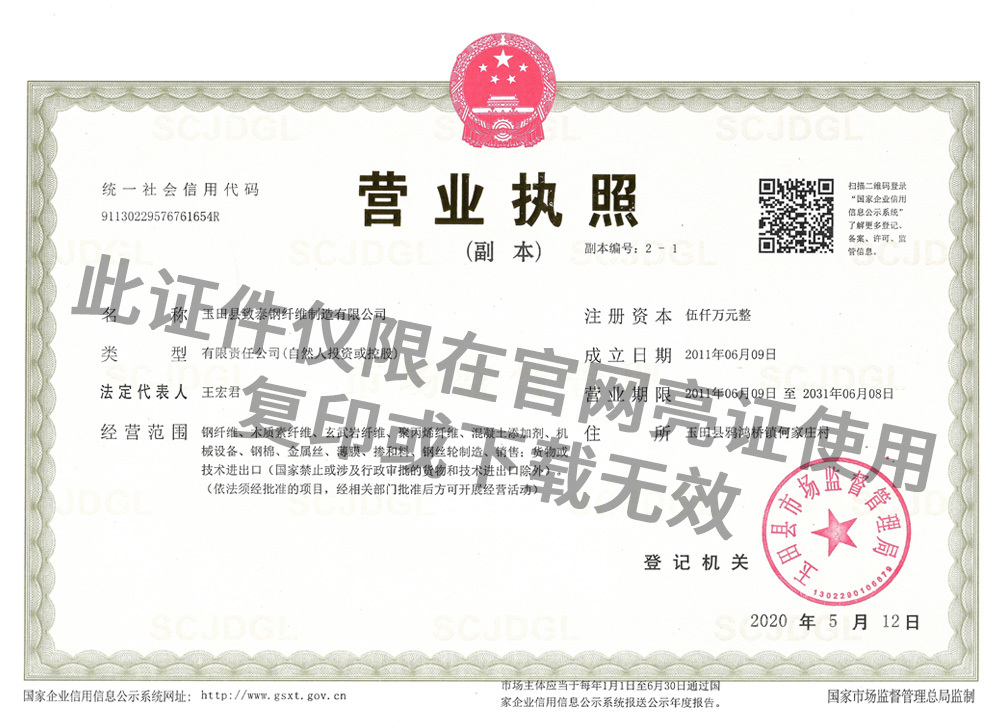
Copyright © Zhitai Steel Fiber Manufacturing Co., Ltd. |  冀公网安备 13022902000319号 | Powered by www.300.cn | SEO | Business License | Privacy Policy